Websites
Law Firm Marketing in Kenya: Websites, SEO and Advertising Rules for Advocates
How Kenyan law firms can market online: practice area pages, Google Business Profile, firm profiles, legal content and advocates' advertising rules.
Most people look up an advocate online before they call, even when they were referred by a friend. They want to know whether the firm handles their type of matter, who they'll be working with and how to get in touch quickly and confidentially. Corporate clients go further, asking for a firm profile, partner CVs and credentials before adding a firm to their panel.
This guide covers how law firms in Kenya can market themselves professionally online: the website, firm profile, search visibility and content, and the advertising rules advocates need to respect.
Know the rules first
Advocates in Kenya can market their practice, but within limits. The Advocates (Marketing and Advertising) Rules, 2014, made under the Advocates Act, set out what is and isn't allowed. In general, marketing should be:
- Factual and accurate, describing your firm, practice areas and qualifications.
- Professional in tone, consistent with the dignity of the profession.
- Free of misleading claims, such as guaranteeing outcomes or claiming to be the best firm.
Read the current rules and the Law Society of Kenya's guidance before launching any campaign, and have a partner approve content before it's published. This guide focuses on the kinds of marketing that fit comfortably within those principles: a clear website, a professional firm profile, accurate directory listings and helpful legal information.
Build a website clients can trust
Your website is where most prospective clients decide whether to contact you. A strong law firm website includes:
- A clear homepage that states who you serve and where you practise.
- A page for each practice area, such as conveyancing, corporate and commercial, employment, family, litigation or intellectual property, explaining the matters you handle.
- Partner and associate profiles with admissions, qualifications and areas of focus.
- Office location, hours and a map, with clear directions.
- A confidential consultation request form, plus phone, email and WhatsApp.
- Insights or FAQs answering the questions clients ask most.
- A privacy policy and website disclaimer, explaining how enquiries are handled under the Data Protection Act.
Keep the design calm and uncluttered. Clients facing a stressful legal matter want reassurance and clarity, not flashy effects. See what this looks like in our law firm website service.
Practice area pages win searches
People don't search for "law firm". They search for their problem: "land transfer lawyer Nairobi", "employment lawyer Mombasa" or "how to register a trademark in Kenya". A dedicated page for each practice area lets your firm appear for these searches and tells the client immediately that you handle their matter.
Each practice area page should explain:
- The types of matters you handle.
- The process the client can expect.
- The documents they may need.
- Who in the firm leads that practice.
- How to request a consultation.
Our SEO services help firms structure these pages so they're found for the right searches.
Don't neglect Google Business Profile
For searches with a location, such as "advocates in Westlands", Google often shows a map with three firms before any website results. A complete Google Business Profile with your correct address, hours, phone number, practice categories and photos of your office helps your firm appear there.
A firm profile for corporate clients
Banks, insurers, government agencies and large companies usually ask for a firm profile before appointing external counsel. A good firm profile includes:
- An introduction to the firm and its history.
- Practice areas and sector experience.
- Partner profiles with qualifications and admissions.
- Representative matters, described without breaching confidentiality.
- Professional memberships and accreditations.
- Contact details and office locations.
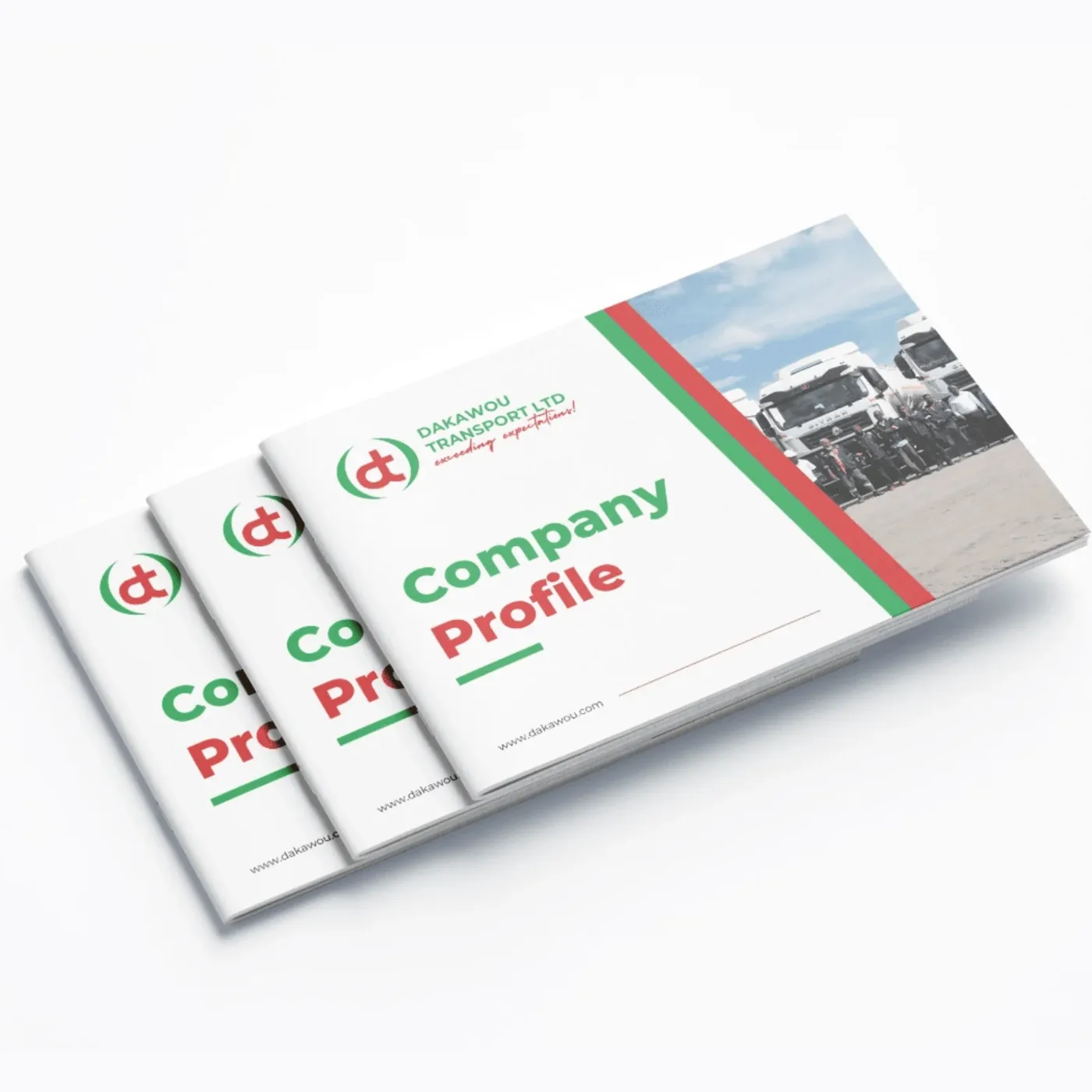
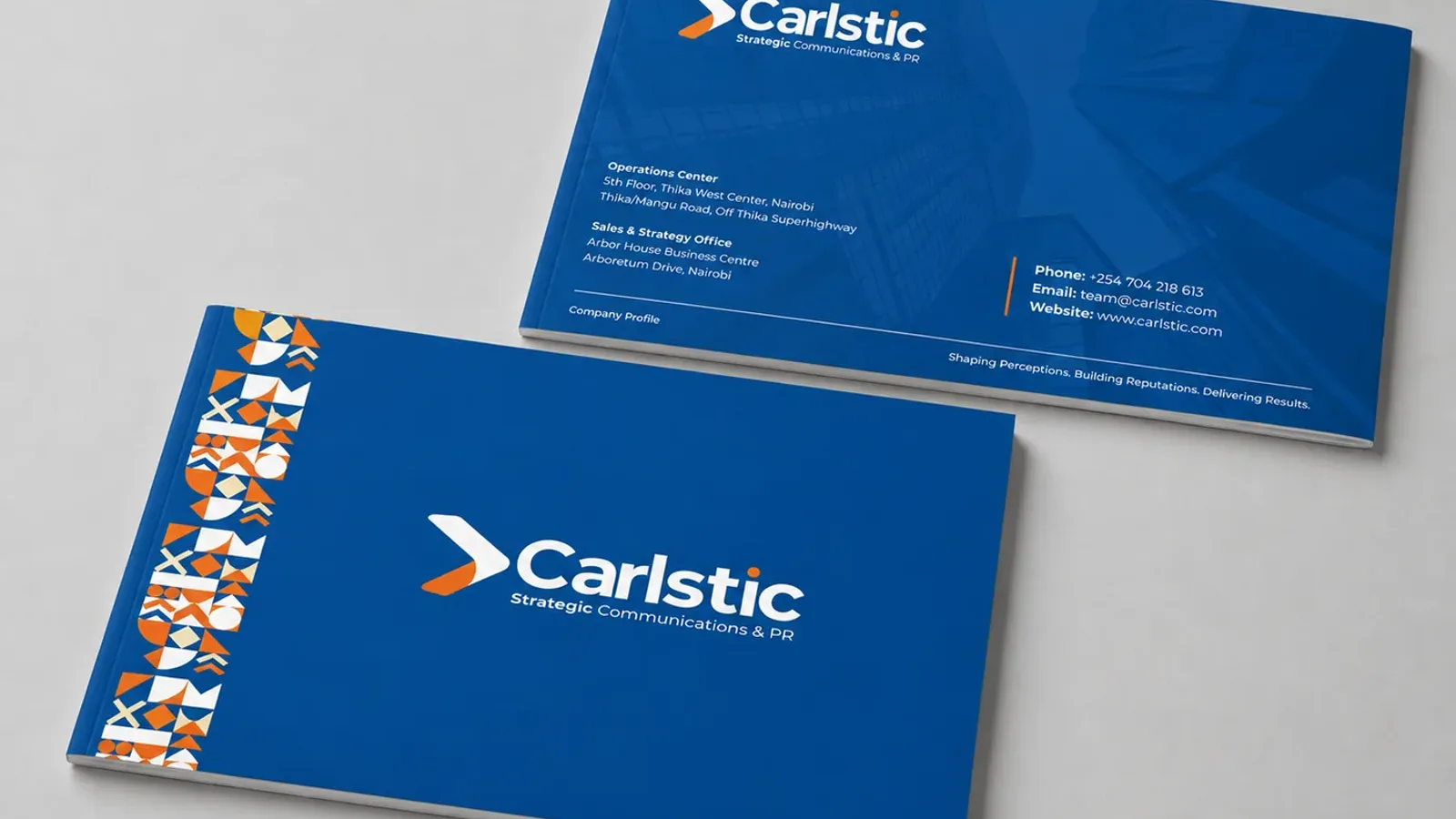
Keep it factual, well structured and professionally designed. Our company profile design service produces firm profiles and capability statements for exactly this purpose.
Content that educates
Clear, factual legal information is one of the most effective and appropriate ways for a firm to build visibility. Articles and short social posts explaining a new law, a common process or a frequent mistake help potential clients and demonstrate expertise without making claims about your firm.
Good topics include:
- How a common process works, such as land transfers or company registration.
- What a new law or regulation means for businesses or individuals.
- Documents clients should prepare before a consultation.
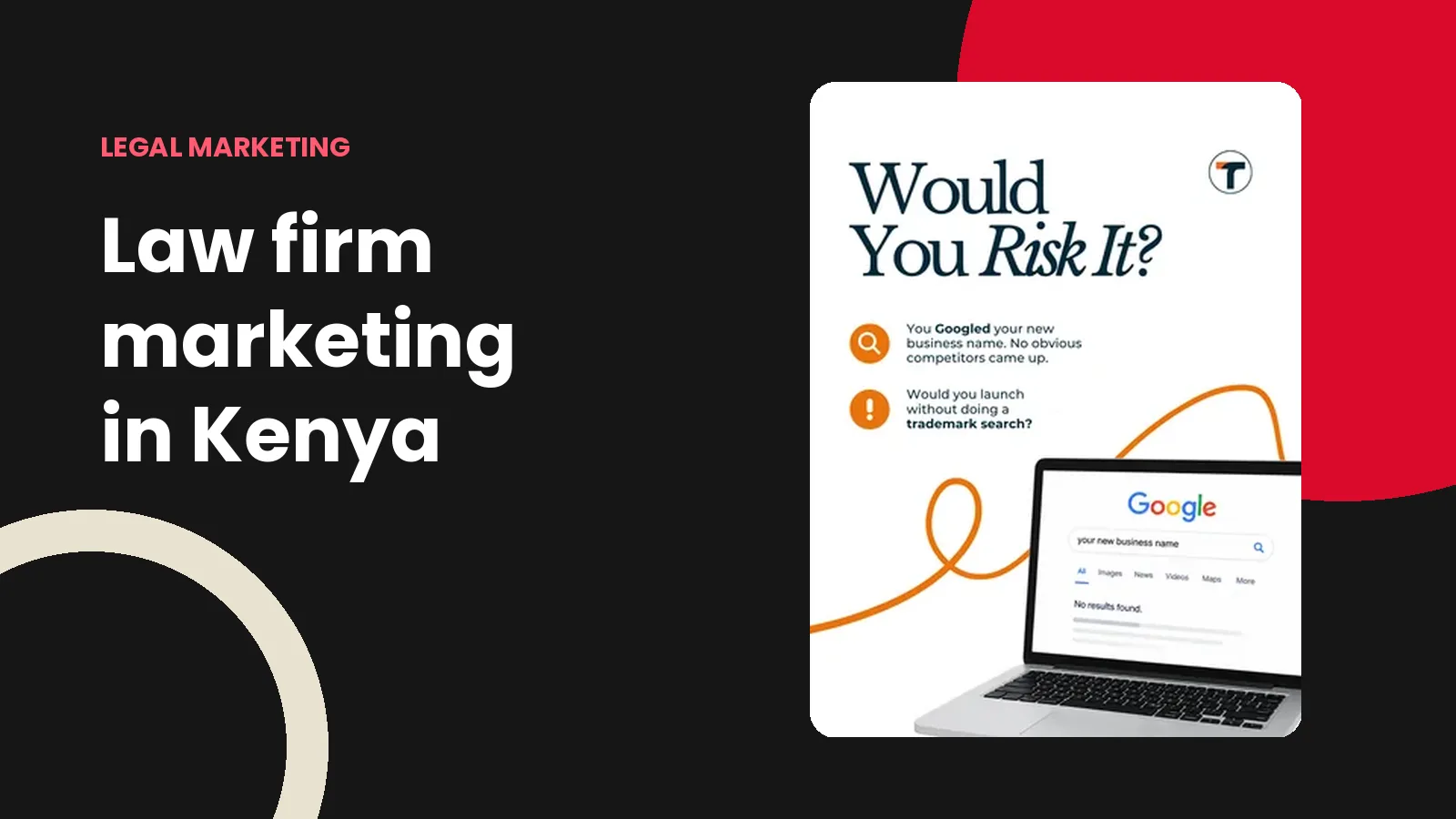
- Common mistakes, such as launching a brand without a trademark search.
Always add a note that articles are general information, not legal advice.
A consistent professional brand
Your logo, letterhead, email signature, signage and documents all shape how clients perceive the firm. A consistent identity makes even a small practice look established and makes a large firm look organised. Our branding service covers logos, stationery and brand guidelines for professional firms.
Getting started
List your three most important practice areas and the clients you most want to reach. Then check your website: can a visitor tell within ten seconds whether you handle their matter and how to contact you? If not, that's the place to start. Talk to us about a website, firm profile or brand refresh.
Frequently asked questions
Can advocates in Kenya advertise?
Yes, within limits. The Advocates (Marketing and Advertising) Rules, 2014 allow advocates to market their practice, but marketing should be factual, professional and free of misleading claims. Check the current rules and LSK guidance before launching a campaign.
What should a law firm website include?
A page for each practice area, partner and associate profiles, office location and hours, a confidential consultation form, contact options, legal insights or FAQs, and a privacy policy and disclaimer.
How do law firms get found on Google?
Dedicated practice area pages, helpful legal content and a complete Google Business Profile help firms appear when clients search for their type of matter and location.