Branding
Corporate Brand Guidelines: What to Include and How to Roll Them Out
What corporate brand guidelines should include, when to refresh or rebrand, and how Kenyan organisations can roll guidelines out so every team uses them.
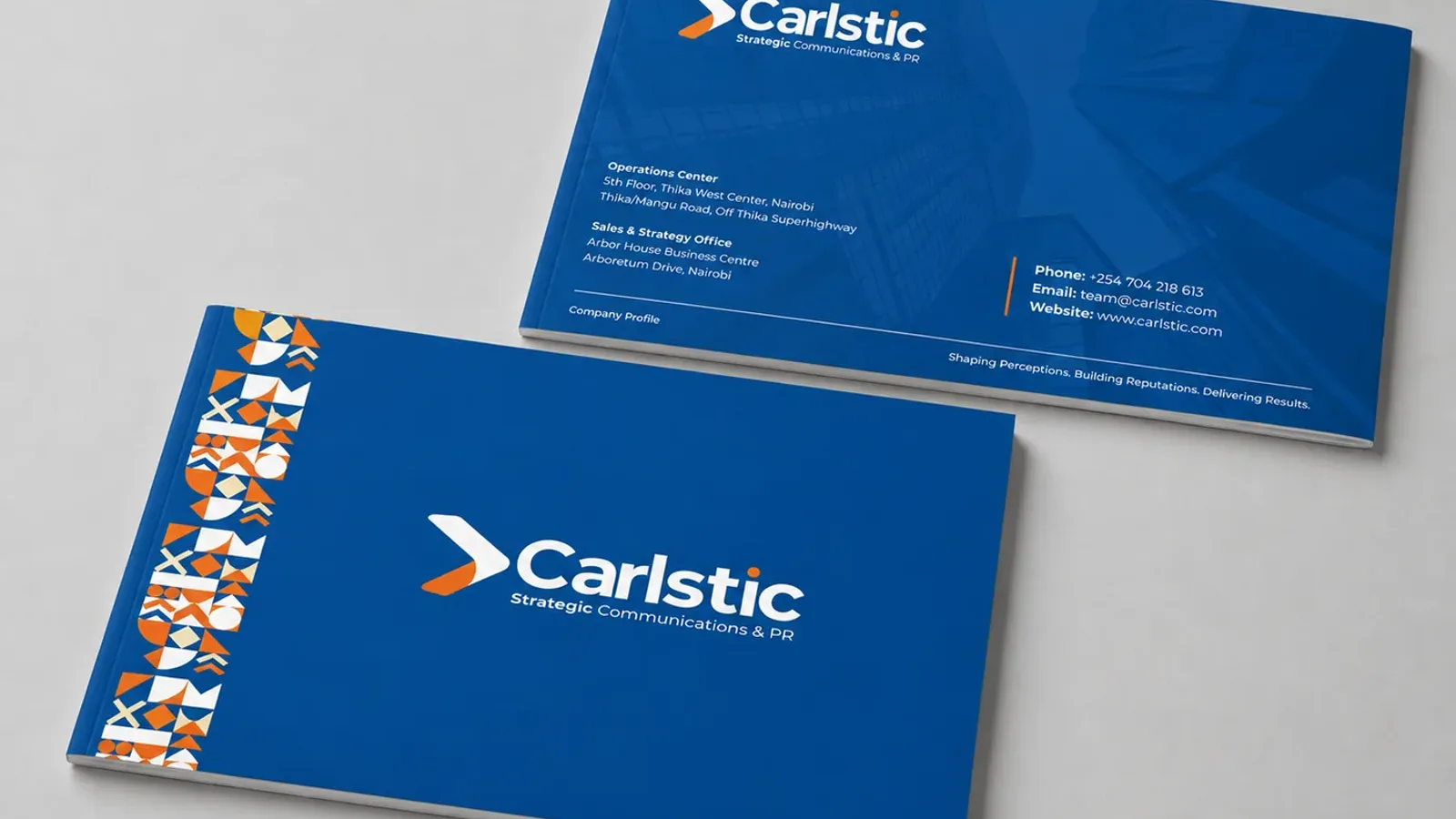
As organisations grow, more people create materials in the brand's name: marketing teams, branch managers, HR, sales, external agencies and printers. Without clear rules, the brand drifts. Logos get stretched, colours vary from one document to the next, and presentations look like they come from different companies.
Brand guidelines fix this. This guide explains what corporate brand guidelines are, what they should include, and how Kenyan organisations can roll them out so they're actually used.
What are brand guidelines?
Brand guidelines, sometimes called a brand book or brand manual, are the rules for presenting your organisation consistently. They explain how to use your logo, colours, fonts, imagery and tone of voice, and they provide templates so staff and suppliers can produce on-brand materials without starting from scratch.
They're different from a logo. A logo is one part of a brand identity; guidelines describe the whole system and how to apply it.
Why corporate organisations need them
- Consistency across branches and departments. Everyone works from the same rules.
- Faster production. Templates save time on presentations, reports and social posts.
- Better supplier briefs. Printers, signwriters and agencies get exactly what they need.
- Stronger credibility. Investors, regulators, partners and job candidates notice when materials are polished and consistent.
- Protection for the brand you've built, especially during growth, mergers or new market entry.
What to include in corporate brand guidelines
1. Brand foundations
Your mission, vision, values and positioning in plain language. This explains why the brand looks and sounds the way it does.
2. Logo usage
- Primary and secondary logo versions.
- Clear space and minimum sizes.
- Approved colour versions (full colour, single colour, reversed).
- Examples of incorrect use: stretching, recolouring, adding effects or placing it on busy backgrounds.
3. Colour palette
Primary and secondary colours with values for every use: CMYK for print, RGB and HEX for screens, and Pantone where precise matching matters, such as signage and merchandise.
4. Typography
Fonts for headings and body text, with fallbacks for Microsoft Office and email where brand fonts aren't installed.
5. Imagery and graphic elements
Photography style, icon style, patterns and shapes, with examples of what fits the brand and what doesn't.
6. Tone of voice
How the organisation writes: formal or conversational, preferred terms, words to avoid, and examples for different situations such as press releases, social media and customer emails.
7. Templates and applications
Practical examples and editable templates for:
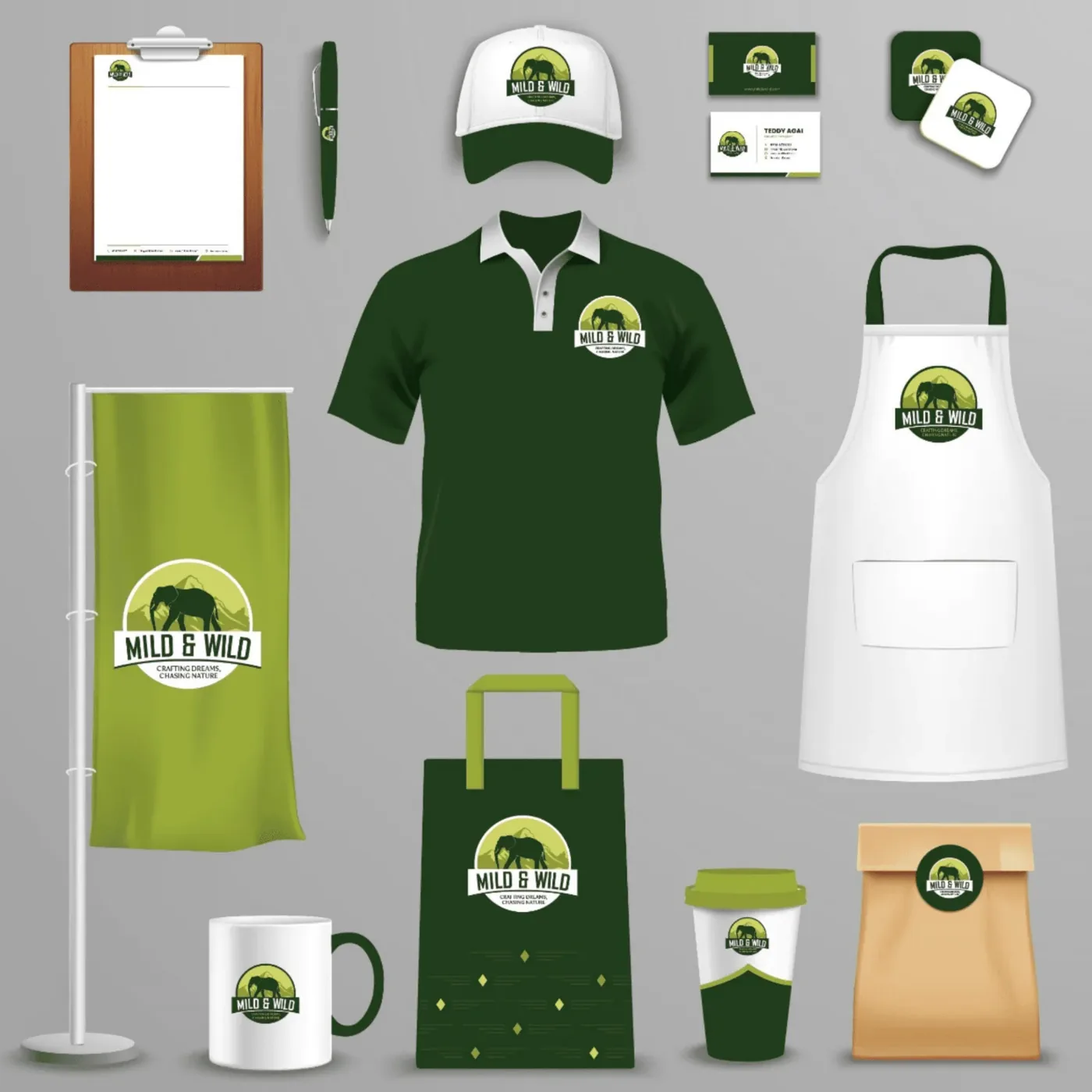
- Letterheads, business cards and email signatures.
- Presentation and pitch decks.
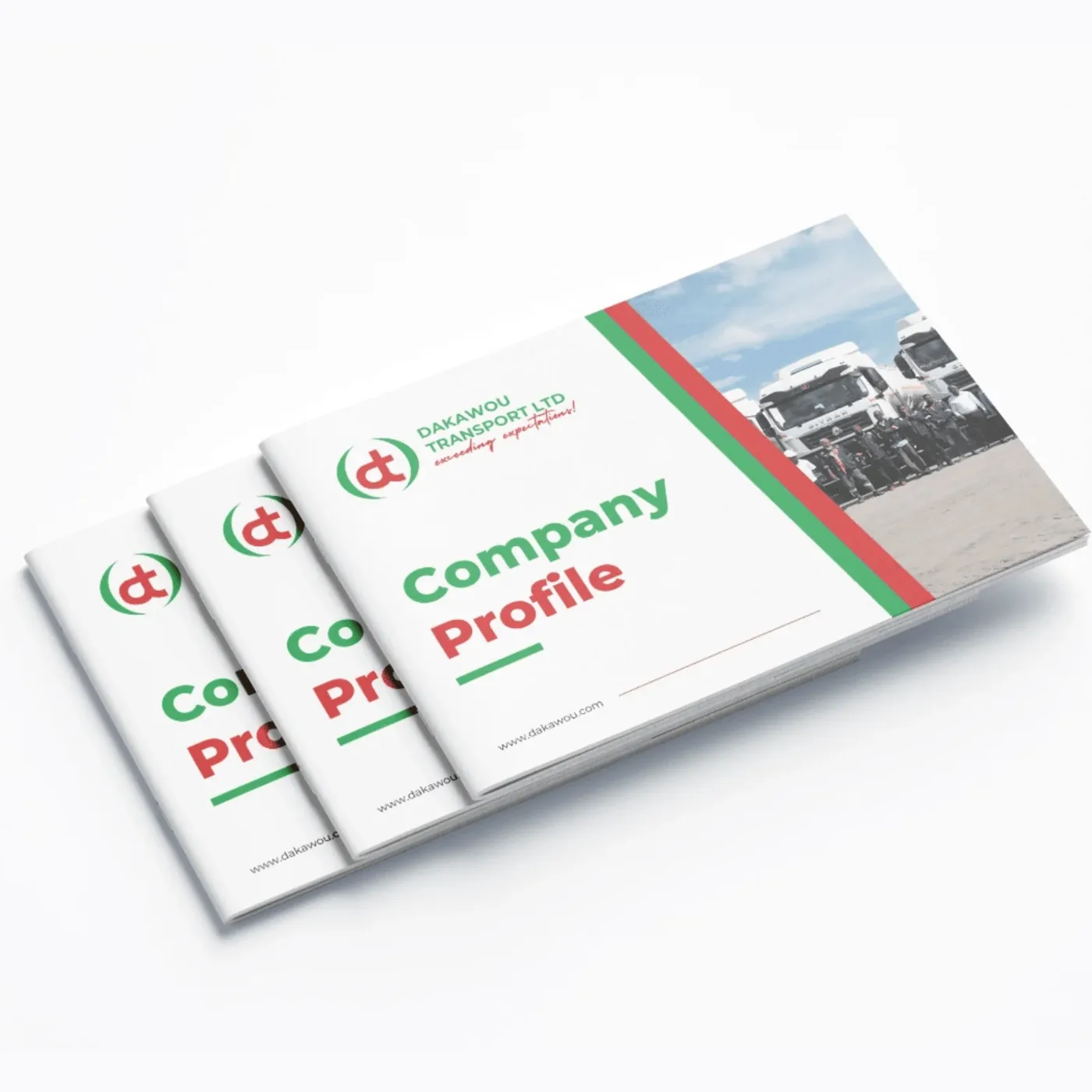
- Reports, proposals and company profiles.
- Social media posts.
- Signage, vehicle branding and uniforms.
- Exhibition stands and event materials.
See examples of these applications in our Carlstic brand communications and iPay event branding projects.
Brand refresh or full rebrand?
Most established organisations don't need to start over. A brand refresh keeps what people already recognise, such as the name, the core logo shape and the main colour, and modernises the rest: refined logo details, an updated palette, new typography and better templates. A full rebrand is usually reserved for mergers, major strategy changes or brands that no longer reflect the organisation at all.
If you're unsure, start with a brand audit: gather 20 recent materials from different departments and lay them side by side. The inconsistencies usually show what needs fixing.
How to roll guidelines out so they're used
Guidelines only work if people use them. To make adoption easier:
- Keep them practical. Short, visual and focused on what staff actually produce.
- Provide editable templates in the tools teams use, such as PowerPoint, Word and Canva.
- Make them easy to find, in a shared drive or intranet with one clear link.
- Brief key people: marketing, communications, HR, branch managers and suppliers.
- Assign an owner who approves new materials and answers questions.
- Review them yearly and update templates as needs change.
Getting started
Begin with your most visible materials: your company profile, presentation template, email signature and social media templates. Getting these right covers most of what clients, partners and staff see. Our corporate branding service creates guidelines and templates for organisations across Kenya. Tell us about your organisation and where your brand needs attention.
Frequently asked questions
What should brand guidelines include?
Brand foundations, logo usage, colour palette with print and digital values, typography, imagery style, tone of voice and templates for common materials such as presentations, letterheads, reports and social posts.
What is the difference between a brand refresh and a rebrand?
A refresh keeps what people recognise and modernises the rest. A rebrand replaces the identity, usually after a merger, major strategy change or when the brand no longer reflects the organisation.
How do you get staff to follow brand guidelines?
Keep guidelines short and practical, provide editable templates in the tools teams use, make them easy to find, brief key people and assign an owner who approves new materials.